
Cambridge Gliding Club trains student pilots all year. In the winter training flights are fairly short because there are no thermals to keep gliders aloft; around April the thermals start to kick off, and a new cadre of newly-qualified pilots start to think about their first cross-country flights. Cross-country means “out of gliding range of the airfield” — think of as the gliding equivalent of leaving the shallow end of the pool. You can no longer touch the bottom if you can’t swim; you can no longer glide back to the airfield if you can’t find a thermal!
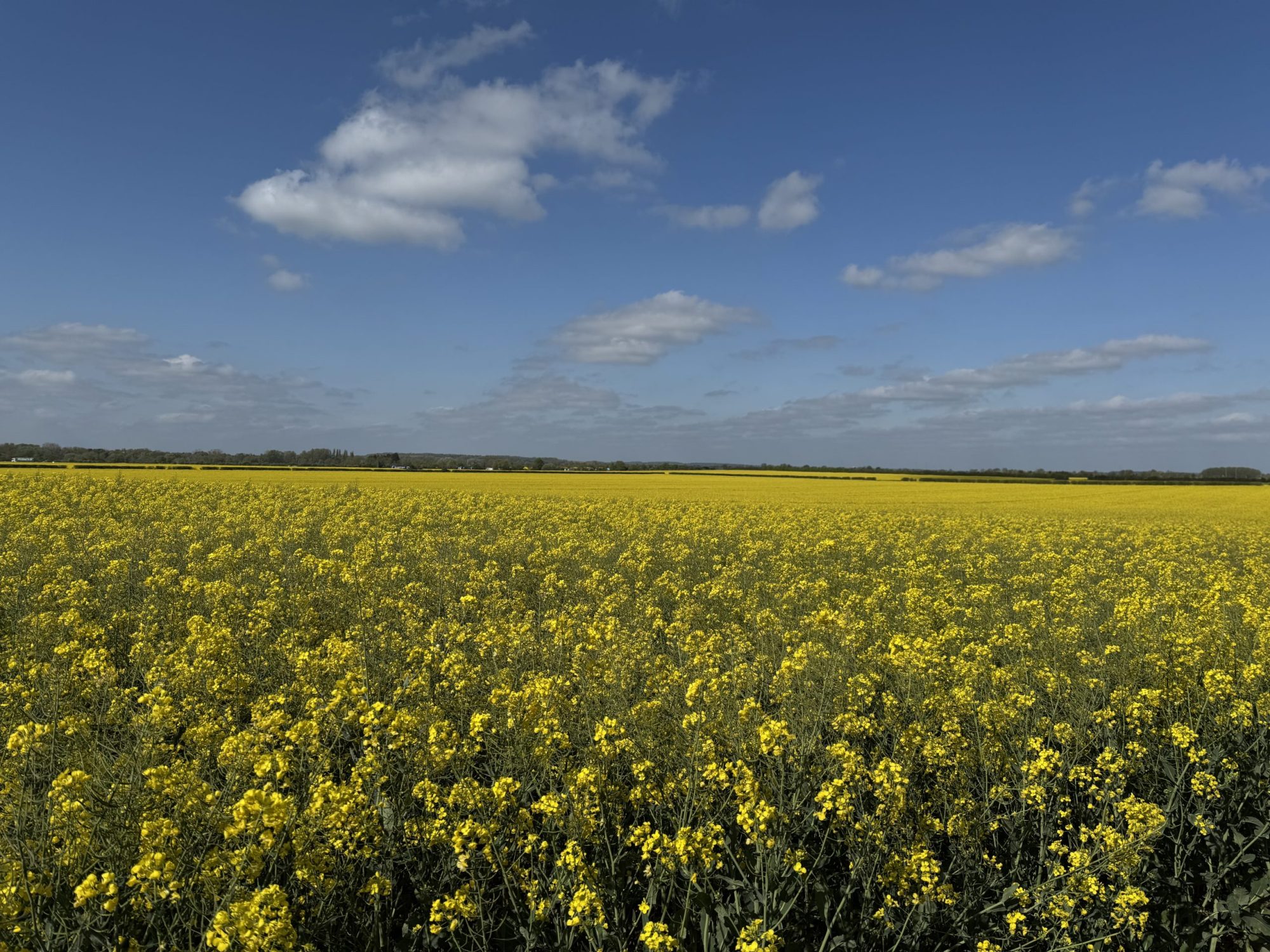
The leading cause of trouble is this stuff:
When going cross-country, we’re obviously trying to hop from thermal to thermal. But we also have to plan for the worst — if we don’t find a thermal, where will we land?
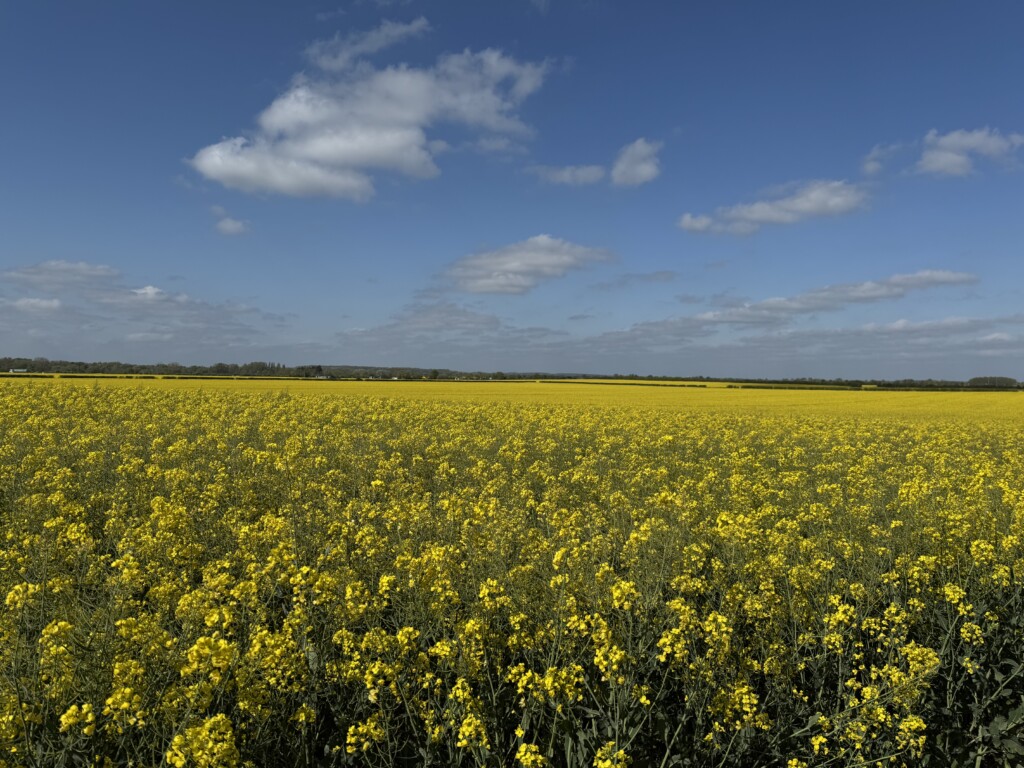
The answer is sometimes – a field. Lots of training goes into the art of field selection – we consider wind, size, slope, surface, sheep, sharks, seals and snakes (I think that’s the checklist). In particular we have to consider the crops. And this stuff – oilseed rape – is a big problem at this time of year.
It’s pretty tall:
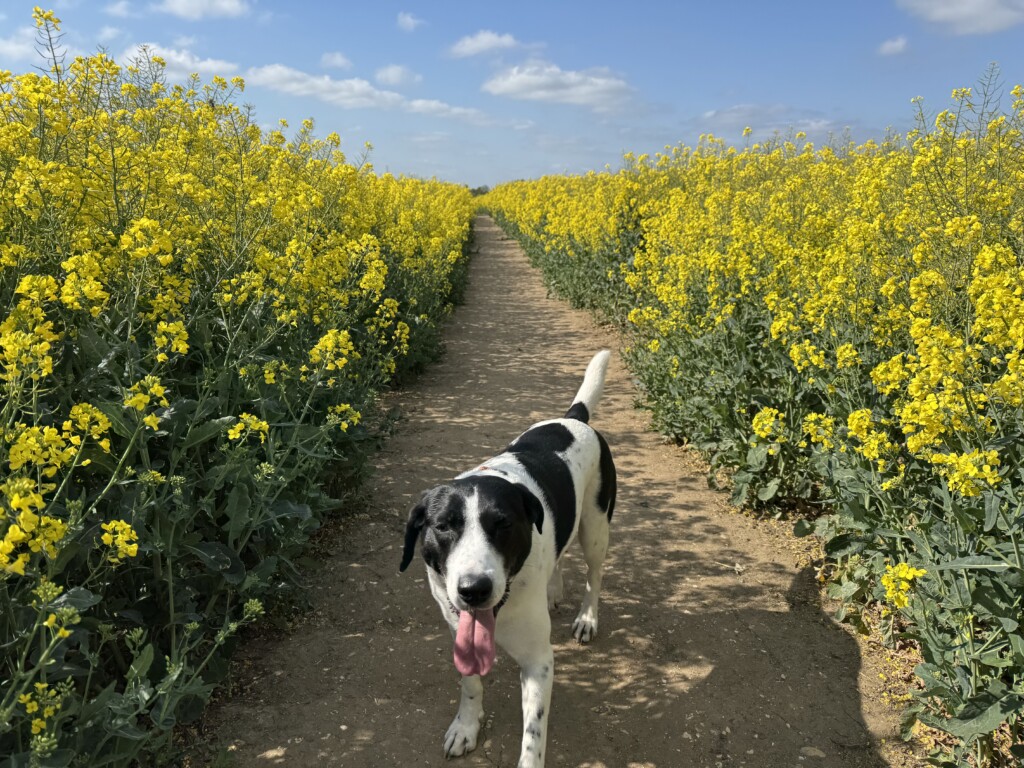
and it’s pretty rigid. If we land in it, we would (at best) get a rapid deceleration and at worst damage the glider. Clearly there would also be some substantial quantity of beer gifted to the farmer as well.
So, the coming few weeks – May and early June – is the worst time for early cross-country outings.
But all is not lost! On a day with a high cloudbase (say, 4000′ or higher) and judicious route selection, it’s possible to stay within range of a landable airfield on several of our local cross-country routes (especially to the northwest alongside Grafham Water).
In any case getting ready for early XCs is lots of fun with lots of navigation planning, consideration of airspace, alternative landable locations, air traffic control, and a ton of other things. The workload is pretty high. Having these weeks to get really top-notch at local soaring before venturing cross-country tends to work out well.
